
Jun 17, 2026
Why Pipe Relining Is Becoming a Popular Alternative to Traditional Pipe Replacement
Plumbing problems are common in both old and modern properties. Over time, pipes can crack, corrode, or become blocked by tree roots and debris. Traditionally, the only solution was to dig up and replace the damaged pipes entirely. This process is often expensive, disruptive, and time-consuming. In recent years, pipe relining has emerged as a modern alternative as the procedure generally avoids full excavation. It repairs pipes from within, making it less invasive and more efficient. Understanding why pipe relining is becoming a popular alternative to traditional pipe replacement helps explain its growing use in residential and commercial plumbing systems.
Reducing the Need for Excavation Work
One of the main reasons pipe relining is gaining popularity is because it eliminates the need for large-scale digging. Traditional pipe replacement often requires breaking through concrete, removing landscaping, or excavating floors. This process can be highly disruptive for property owners. It may damage gardens, driveways, and even interior structures. Pipe relining avoids this by repairing pipes internally. A flexible liner is inserted into the damaged pipe and then hardened to form a new inner surface. This method allows plumbers to fix problems without disturbing the surrounding environment. As a result, homeowners experience less mess, less noise, and fewer disruptions to daily life.
Offering a Faster Repair Solution
Time is a major concern when dealing with plumbing issues. Traditional pipe replacement can take several days or even weeks, depending on the severity of the damage. Pipe relining is significantly faster in many cases. Once the pipes are inspected and cleaned, the relining process can often be completed within a shorter timeframe. The curing process of the liner is also efficient, allowing the new pipe structure to form quickly. This reduced timeline is especially important for businesses or households that rely heavily on uninterrupted water systems. Faster repairs mean less downtime and quicker restoration of normal household activities.
Providing Long-Lasting Durability
Durability is an important factor when choosing between pipe relining and traditional replacement. Homeowners want a solution that will last for many years without recurring issues. Pipe relining materials are designed to be strong, flexible, and resistant to corrosion. Once installed, the new inner layer creates a smooth and seamless pipe surface. This reduces the likelihood of future leaks, cracks, or root intrusion. In many cases, relined pipes can last for decades, offering a long-term solution comparable to full pipe replacement. This durability makes pipe relining a reliable option for modern plumbing systems.
Reducing Overall Repair Costs
Cost is often a deciding factor in plumbing repairs. Traditional pipe replacement involves excavation, labor, equipment, and property restoration costs. These additional expenses can quickly increase the total cost of the project. Pipe relining reduces many of these costs by eliminating the need for digging and reconstruction work. Less labor and shorter project timelines also contribute to lower expenses. For many property owners, this makes pipe relining a more affordable alternative without compromising quality. The cost-effectiveness of this method is one of the key reasons for its increasing adoption.
Minimizing Property Damage and Disruption
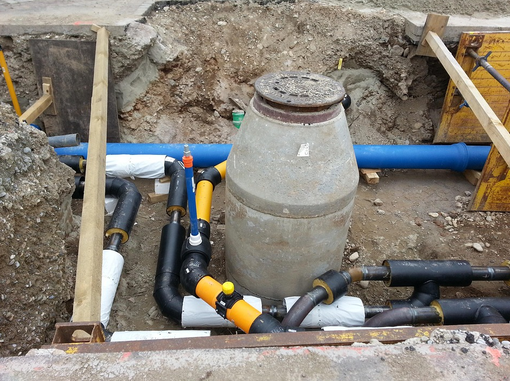
Pipe replacement can cause significant disruption to homes and businesses. Broken tiles, damaged landscaping, and structural repairs are often part of the process. Pipe relining avoids most of these issues by working within the existing pipe system. There is no need to remove large sections of property to access underground pipes. This helps preserve the condition and appearance of the property. Homeowners can continue their daily routines with minimal interruption during the repair process. Reduced disruption makes pipe relining a more convenient choice for many situations.
Improving Environmental Sustainability
Modern plumbing solutions are increasingly evaluated based on their environmental impact. Traditional pipe replacement generates waste from removed pipes, soil disturbance, and construction materials. Pipe relining is considered a more environmentally friendly option. It reduces the need for heavy excavation equipment and minimizes waste production. Since existing pipes are reused and strengthened, fewer materials end up in landfills. This makes pipe relining a more sustainable approach to plumbing repair. Environmentally conscious property owners often prefer this method for its reduced ecological footprint.
Pipe relining is becoming a popular alternative to traditional pipe replacement for several important reasons. It reduces excavation work, speeds up repair times, offers long-lasting durability, lowers costs, minimizes property damage, and supports environmental sustainability. This modern technique provides a practical and efficient solution for damaged pipes without the disruption associated with traditional methods. As technology continues to improve, pipe relining is expected to become an even more widely used approach in plumbing repair. For homeowners and businesses seeking reliable and less invasive solutions, pipe relining offers a clear and effective alternative to full pipe replacement.
More Details