
May 23, 2026
The Best Ways to Improve HVAC Efficiency at Home
Improving HVAC efficiency is one of the most effective ways homeowners can reduce energy costs while maintaining a comfortable indoor environment throughout the year. Simple steps such as regularly replacing air filters, sealing duct leaks, and using programmable thermostats help systems operate more efficiently and reduce unnecessary strain. Many homeowners also rely on air conditioning repair services by ATX heating & air conditioning to identify hidden performance issues and ensure their systems run at peak condition. Routine maintenance and timely repairs play an important role in extending equipment lifespan and improving overall airflow. This article explores the best ways to improve HVAC efficiency at home and support long-term system performance.
Regular Air Filter Maintenance Improves Airflow
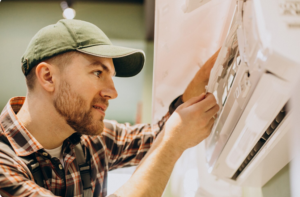
Air filters are essential for maintaining proper airflow within an HVAC system. As filters collect dust, dirt, and airborne particles, they gradually restrict airflow through the system. Limited airflow forces heating and cooling components to work harder to circulate conditioned air throughout the home. This additional strain reduces efficiency and may increase energy usage. Replacing or cleaning filters regularly helps maintain balanced airflow and supports smoother operation. Proper airflow allows the system to heat or cool indoor spaces more effectively without unnecessary effort.
Sealing Air Leaks Around the Home
Air leakage is one of the most common reasons HVAC systems lose efficiency. Gaps around windows, doors, ceilings, or duct connections allow conditioned air to escape while outside air enters the home. This forces the HVAC system to operate longer to maintain the desired indoor temperature. Sealing leaks helps preserve indoor climate stability and reduces unnecessary energy loss. Improved insulation and airtight construction also support more consistent temperature control throughout different rooms. Reducing air leakage allows the HVAC system to operate under less strain.
Using Programmable or Smart Thermostats
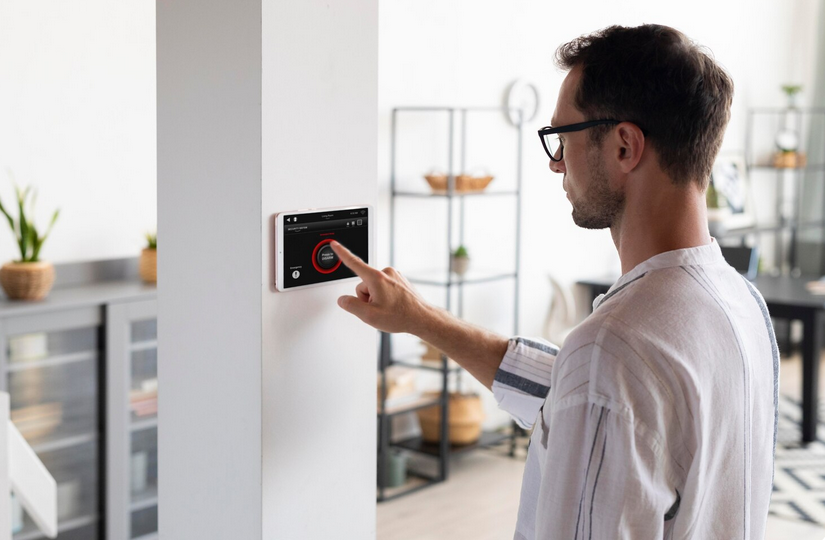
Thermostats play a major role in controlling HVAC operation and energy consumption. Programmable and smart thermostats improve efficiency by adjusting temperatures automatically based on schedules or occupancy patterns. Instead of running continuously at the same setting, the system can reduce activity when the home is unoccupied or during sleeping hours. This controlled operation lowers unnecessary energy use while still maintaining comfort when needed. Smart temperature management also helps reduce excessive cycling that can place additional wear on HVAC components.
Improving Ventilation and Air Circulation
Balanced airflow throughout the home helps HVAC systems distribute conditioned air more effectively. Blocked vents, closed registers, or poor room circulation can create uneven temperatures and force the system to work harder. Keeping vents open and unobstructed allows air to move freely between rooms. Ceiling fans and proper ventilation can also improve circulation by distributing air more evenly throughout living spaces. Better circulation reduces pressure on the HVAC system and supports more stable indoor comfort levels.
Keeping HVAC Components Clean and Maintained
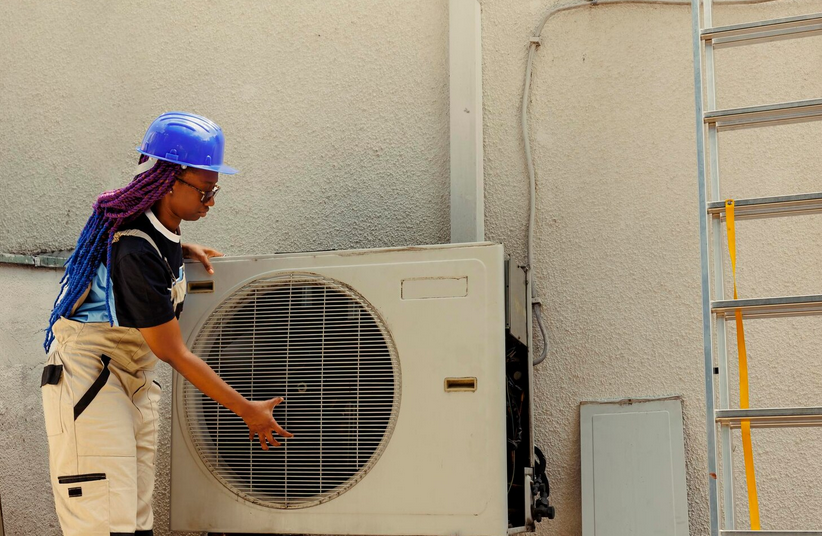
Routine maintenance is essential for preserving HVAC efficiency over time. Dust, debris, and wear can reduce the performance of system components such as coils, fans, and outdoor units. Dirty evaporator or condenser coils reduce heat transfer efficiency, forcing the system to consume more energy. Regular inspection and cleaning help maintain proper airflow, stable cooling performance, and efficient heat exchange. Professional maintenance also allows early identification of mechanical problems before they lead to larger efficiency losses or equipment damage.
Improving HVAC efficiency at home involves maintaining clean filters, sealing air leaks, using smart thermostats, performing regular maintenance, and supporting proper air circulation. These practices help reduce energy waste while improving heating and cooling performance throughout the home. Efficient HVAC operation not only supports indoor comfort but also reduces unnecessary strain on system components over time. Understanding these methods highlights the importance of consistent maintenance and energy-conscious habits in creating a more efficient home environment.
More Details