
Nov 13, 2025
The Art of Transparency: When Window Design Meets Interior Style
Windows are more than just openings to the outside world—they’re integral design elements that shape the ambiance, light, and mood of a home. The way light flows through a room, the materials used, and the visual connection to the outdoors all contribute to a space’s character. When done thoughtfully, window design becomes a bridge between architecture and interior style, creating environments that feel open, airy, and harmonious. Today, designers are pushing the boundaries of transparency, combining aesthetics with functionality in ways that make rooms feel alive and inviting.
Light as a Design Element
Natural light is one of the most transformative aspects of interior design. The direction, intensity, and color of sunlight change throughout the day, influencing mood, highlighting textures, and even affecting productivity. Designers often use window placement and glass type to manipulate light creatively, whether it’s softening morning rays or channeling warm evening tones. Large, unobstructed panes and strategically positioned skylights can create dramatic effects, making spaces feel more expansive and welcoming.
Framed Views With Precision
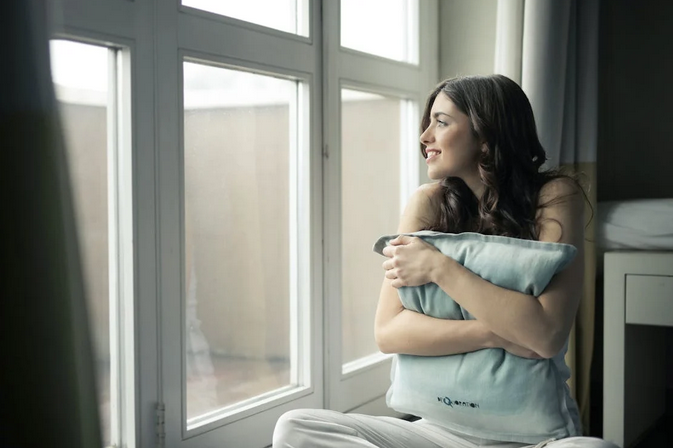
A well-placed window doesn’t just let in light—it frames a view. Homeowners and designers alike are thinking carefully about sightlines, considering what will be seen from the interior as much as what the exterior looks like. High-quality frames and large panes can make even small spaces feel connected to the outdoors. Materials offered ensure that frames are durable and sleek, allowing homeowners to maximize glass surfaces without sacrificing strength or energy efficiency. Thoughtful framing turns every glance out the window into a curated visual experience.
Material Options
Window materials influence both style and function. Wood frames provide warmth and texture, metal frames offer sleek minimalism, and composite materials combine durability with design flexibility. Energy efficiency is also a major consideration; double or triple glazing helps regulate indoor temperatures, reduces noise, and minimizes energy costs. By carefully choosing materials, homeowners can ensure that their windows not only look elegant but also perform reliably for years to come.
Balanced Transparency and Privacy
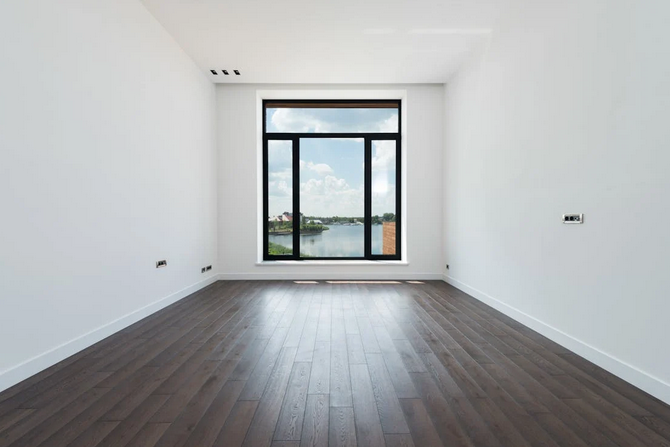
While transparency is beautiful, privacy is essential. Modern window design balances the two through layered treatments, frosted or tinted glass, and smart glazing technologies. Sheer curtains, shutters, or decorative films allow natural light to filter in while maintaining a sense of security and intimacy. This balance ensures that interiors remain bright and open without feeling exposed, giving homeowners flexibility in how they interact with their environment.
Windows as Focal Points
Modern interiors often treat windows as central design elements rather than secondary features. Floor-to-ceiling glass walls, corner windows, and bay window seating areas all draw attention while enhancing spatial flow. Pairing window design with complementary furniture, textiles, and decor emphasizes their role in shaping the room’s atmosphere. When executed thoughtfully, windows act as living artworks, merging function and aesthetics seamlessly.
The art of transparency in window design is about more than just glass—it’s about connection, light, and atmosphere. By framing views, harnessing natural light, balancing privacy, choosing the right materials, and treating windows as focal points, homeowners can elevate interior style in ways that feel effortless yet impactful. Thoughtful windows create spaces that are brighter, more open, and visually engaging, proving that when design meets transparency, the results are as functional as they are beautiful.
More Details